
001
Clogged Toilet Clearing
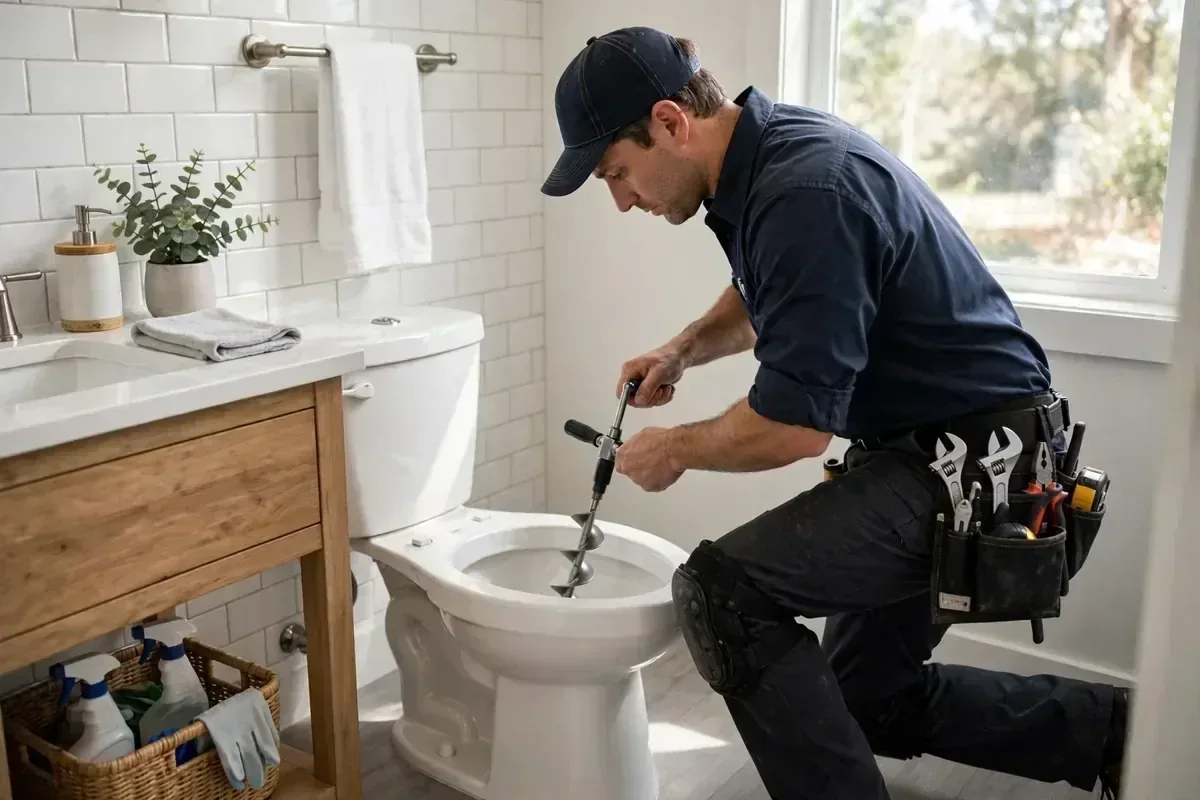
A toilet that repeatedly clogs may have a local bowl obstruction, a restricted branch drain, or a deeper drainage issue.
Explore service →Get clear next steps for a clogged toilet, a tank that will not stop running, a leak at the base, or a fixture that needs replacing. Describe the symptoms and confirm availability, scope, and pricing directly with the plumbing provider.
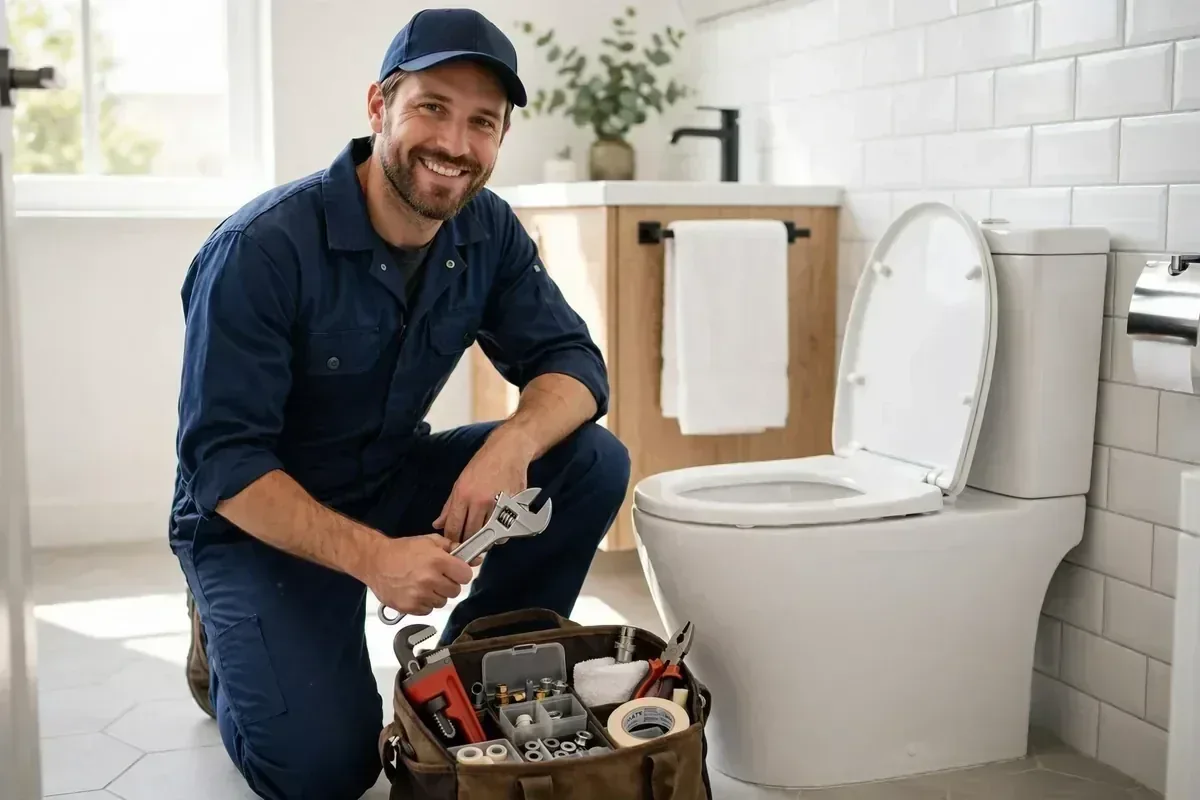
Toilet problems can be noisy, messy, or easy to overlook until they affect the floor or water bill. The right next step depends on where the symptom appears and whether it is isolated to one fixture. This site organizes common issues into practical service guides so you can describe the problem clearly before speaking with a provider.
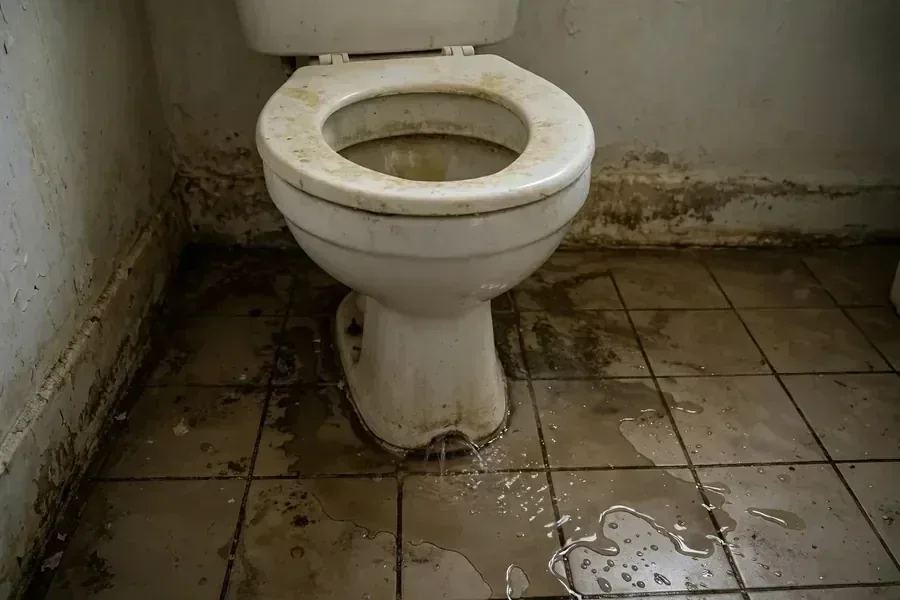
For example, a toilet that refills every few minutes may need tank hardware inspected, while water around the base may involve a supply connection, condensation, a wax seal, or a damaged flange. Repeated clogs can be caused by an obstruction in the toilet or a restriction farther down the drain. Those symptoms can look similar from the outside, so avoid assuming the cause before assessment.
If water is actively overflowing, stop flushing and close the shutoff valve if safe. Keep children and pets away from contaminated water. For a persistent leak, stop using the fixture and seek prompt guidance.
Start with the closest symptom. Each guide explains likely causes, safe observations, what a provider may inspect, and questions to ask before authorizing work.
A toilet that repeatedly clogs may have a local bowl obstruction, a restricted branch drain, or a deeper drainage issue.
Explore service →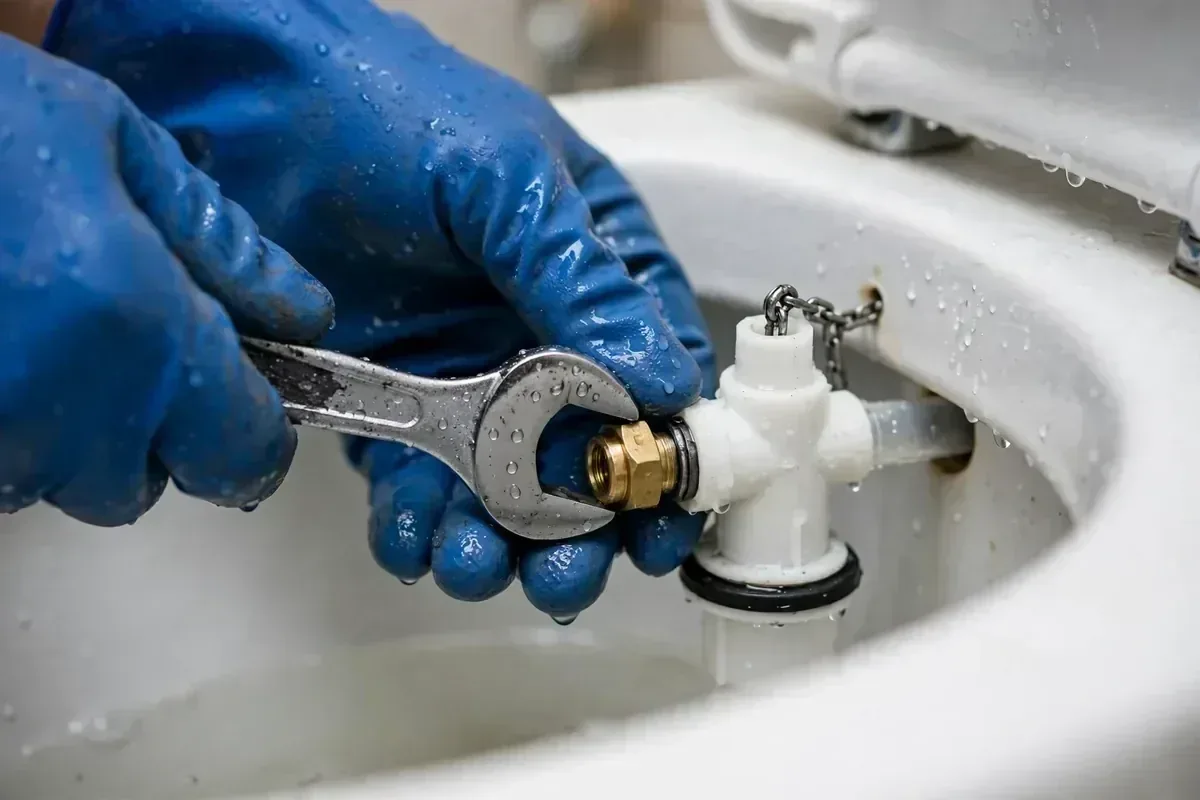
A toilet that keeps refilling commonly has a worn flapper, a misadjusted fill valve, or a tank component that no longer seals.
Explore service →Water around a toilet can come from a supply connection, tank hardware, condensation, the bowl, or the base seal.
Explore service →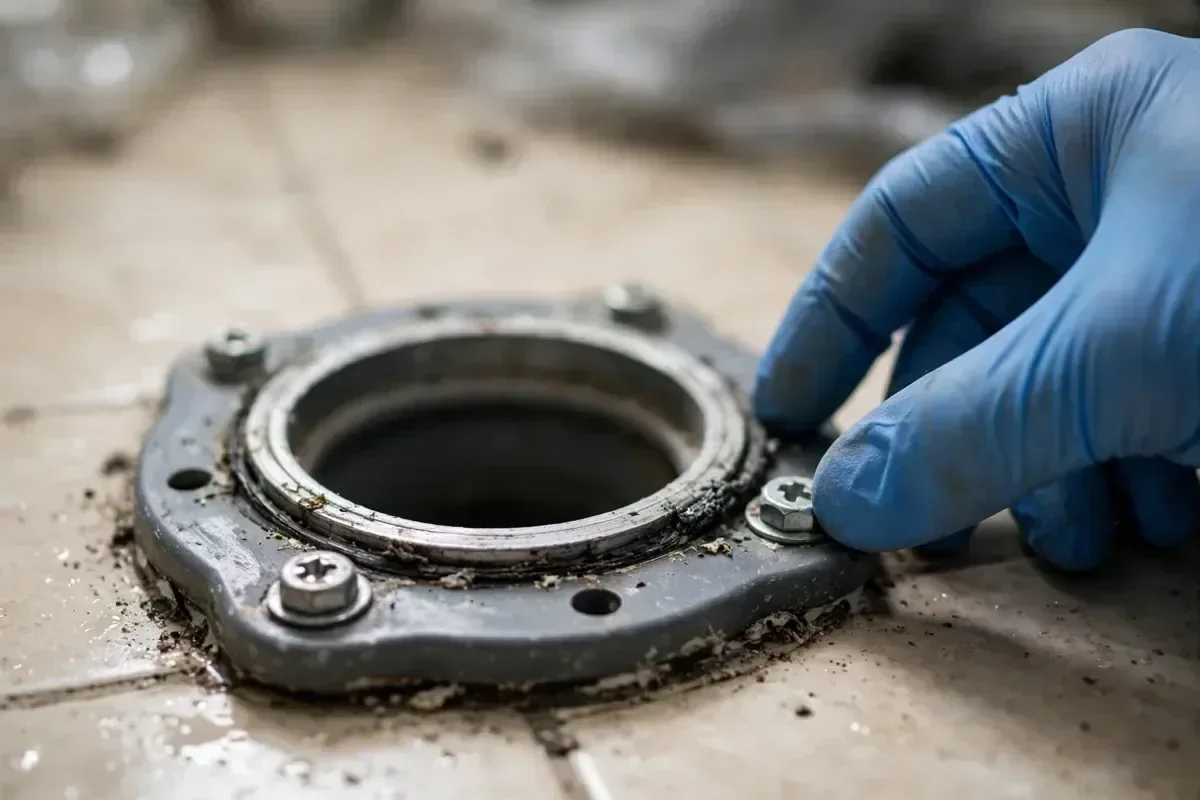
A loose handle, disconnected chain, damaged flapper, or worn flush valve can stop a toilet from flushing consistently.
Explore service →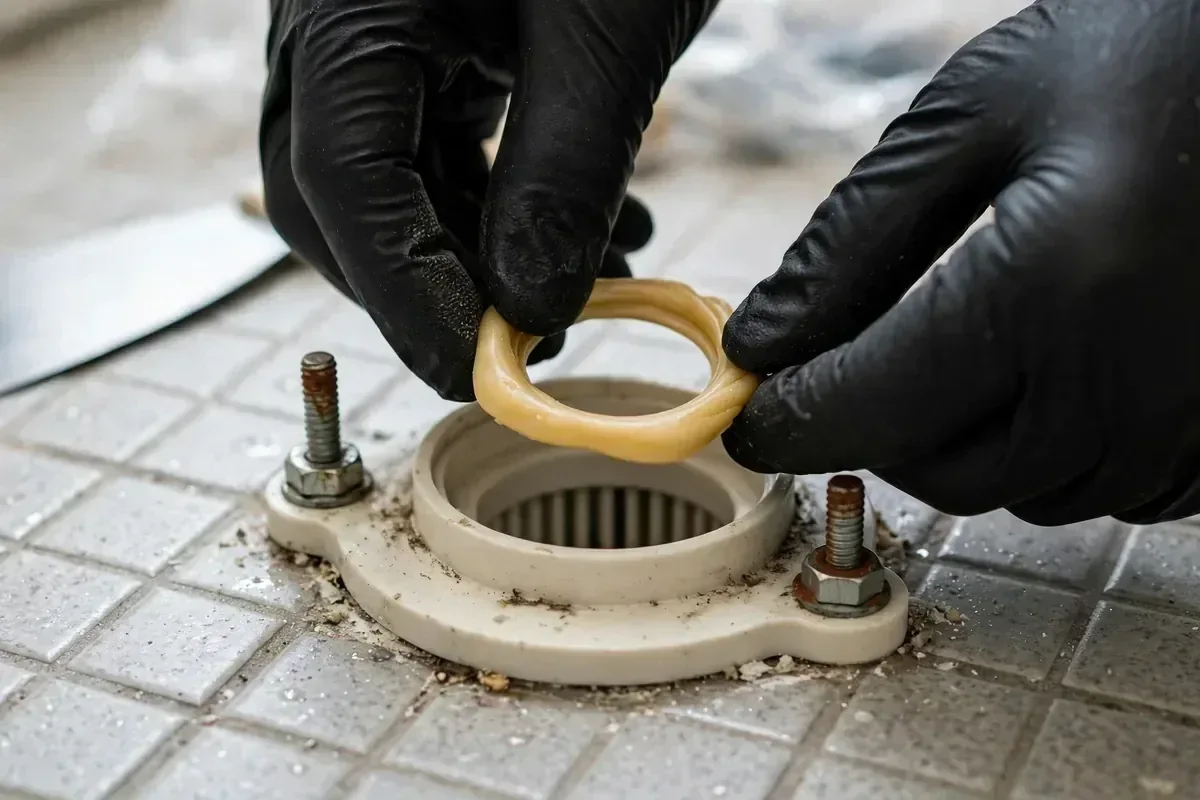
The wax ring seals the toilet outlet to the drain connection; a failed seal may allow water or sewer odors near the base.
Explore service →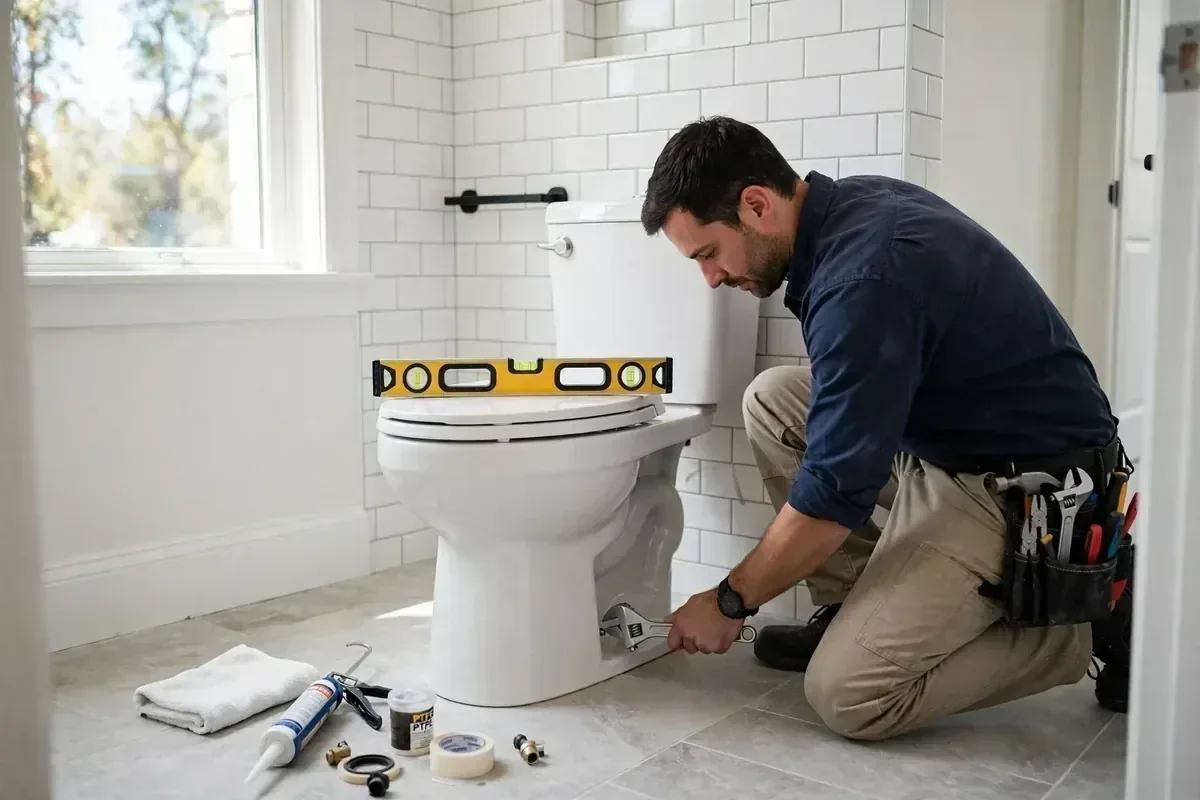
A successful toilet installation depends on measurements, a sound flange, a compatible fixture, and careful leak testing.
Explore service →
Modern low-flush and dual-flush fixtures can reduce water use when properly selected, installed, and adjusted.
Explore service →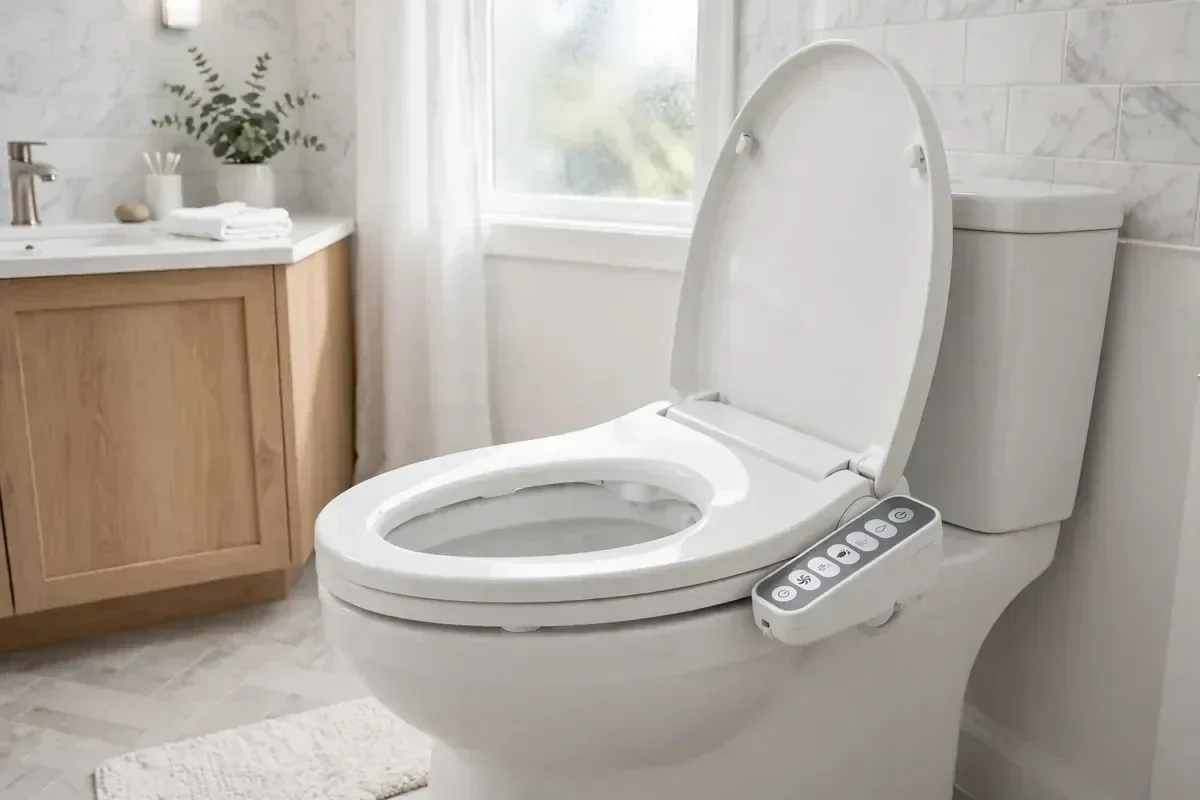
Bidet and smart seats require compatible dimensions, a suitable water connection, and safe electrical access where applicable.
Explore service →A toilet flange anchors the fixture and connects it to the drain; corrosion, cracks, or incorrect height can compromise stability and sealing.
Explore service →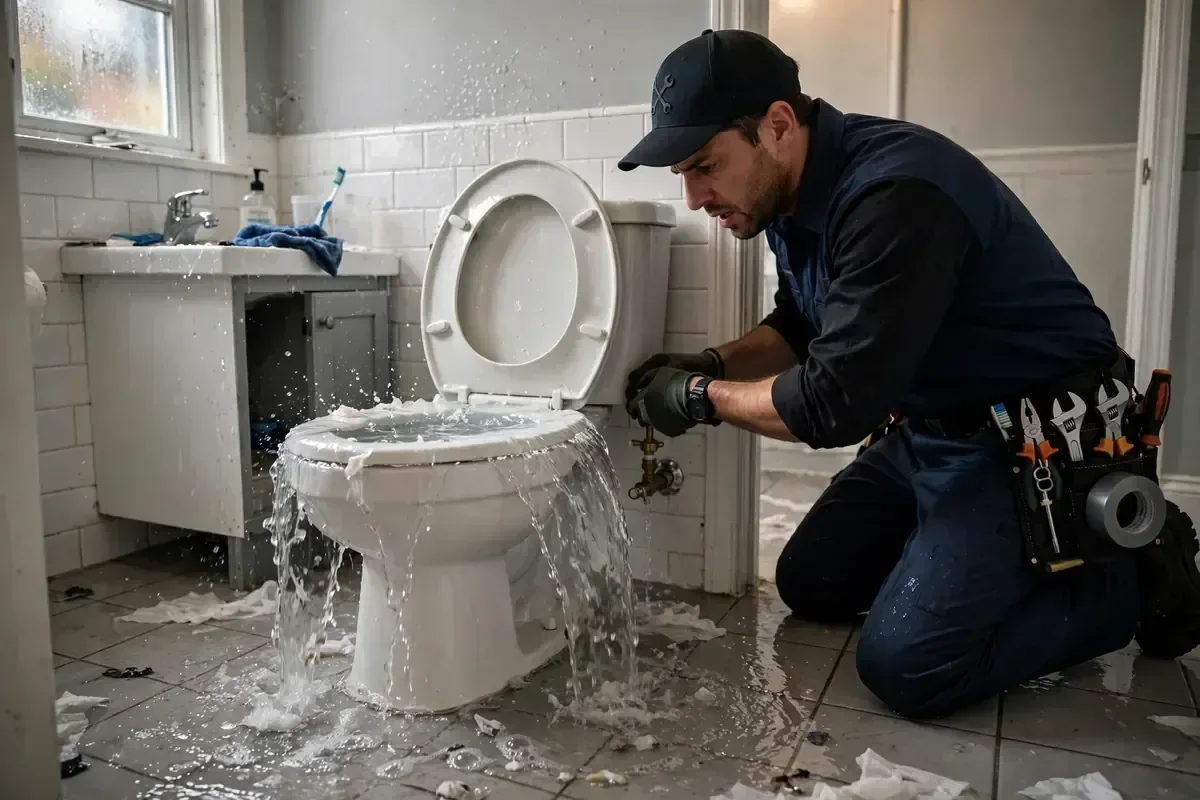
An overflowing toilet needs immediate water control and a careful assessment of whether the blockage is isolated or part of a larger drain issue.
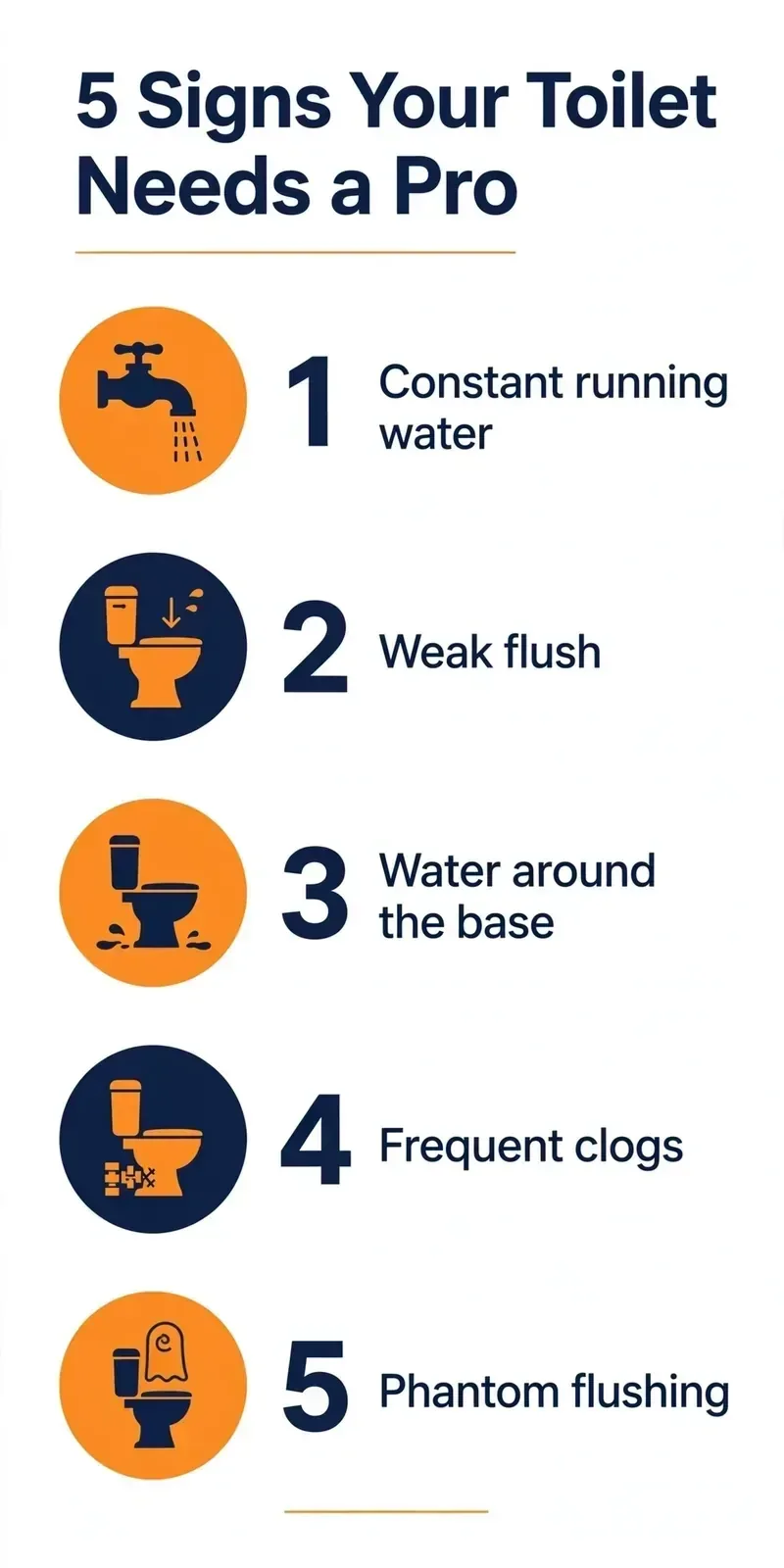
Explore service →These clues are not a diagnosis, but they can help you describe the issue accurately.
Listen for water after the tank should be full. A flapper, fill valve, float, or flush valve may need inspection.
Read running toilet guide →Dry the visible area if safe and observe whether moisture returns after a flush. Do not assume the wax ring is the only possible cause.
Read leak repair guide →Stop flushing if the bowl level rises. If other fixtures gurgle or drain poorly, mention that because it may point beyond the toilet.
Read clog clearing guide →A loose handle, chain, flapper, or flush valve can interrupt the flush. Avoid forcing brittle tank parts.
Read flush mechanism guide →Movement can stress the seal and mounting connection. Avoid repeated rocking and arrange an inspection.
Read wax ring guide →Stop flushing, close the shutoff valve if accessible, and keep away from contaminated water. Escalate if water continues spreading.
Read overflow response guide →A provider may ask whether the issue happens during filling, flushing, or between uses. The timing can help separate tank hardware concerns from bowl, supply, seal, and drain problems.
Depending on the symptom, an inspection may include the shutoff valve, supply line, tank components, fixture stability, base area, flush performance, and nearby drain behavior. The exact checks depend on the reported issue and site conditions.
Ask what was found, which parts are involved, whether replacement is necessary, what is excluded, and how the work will be tested. If the diagnosis changes, request an updated scope and price before additional work begins.
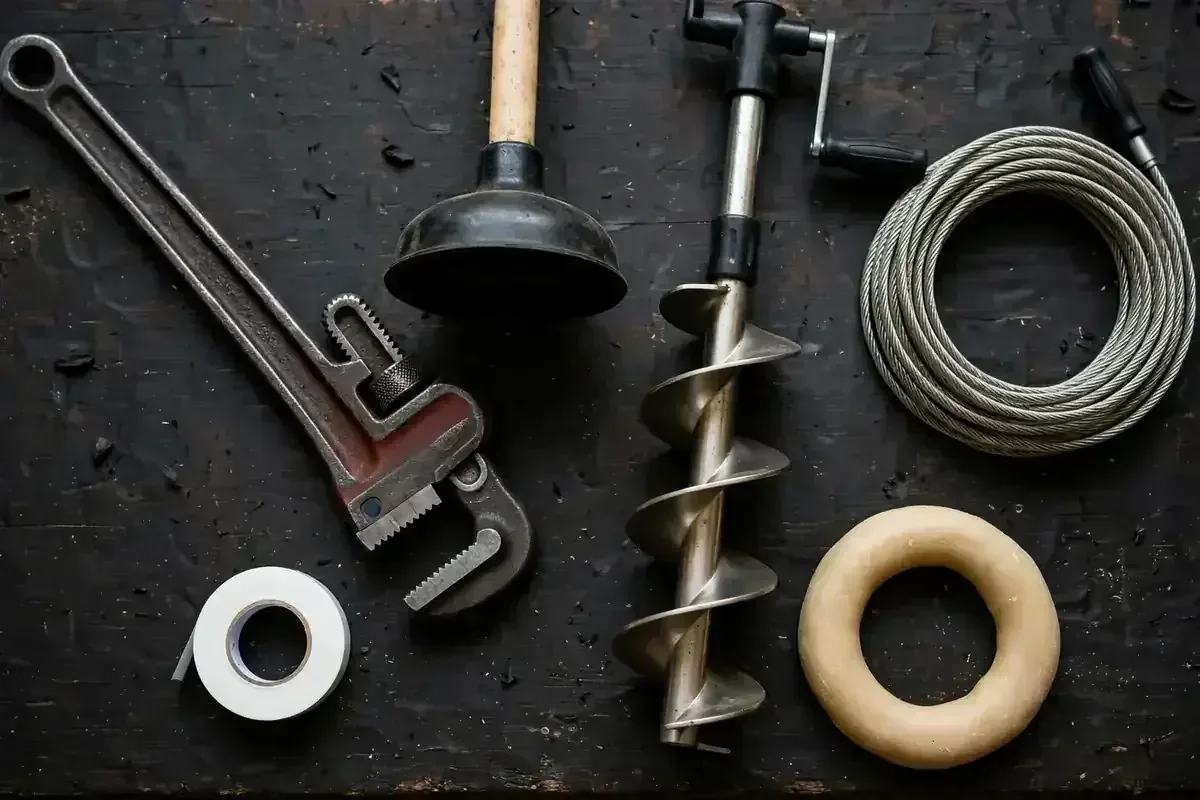
Use these steps to reduce confusion when seeking a local plumbing provider.
Explain the symptom, timing, affected fixtures, and any active water escape.
Request details for a provider that may handle the issue and your location.
Verify provider identity, arrival window, credentials, service scope, and any trip or diagnostic fee.
Review the quote and approve the agreed work directly with the provider.
There is no verified price list for this campaign, so no dollar figures are invented. The provider’s diagnosis and written quote should control.
Basic tank parts, specialty flush systems, smart seats, and replacement fixtures have different component requirements.
Corroded fasteners, a damaged flange, fragile flooring, or limited access may change the work involved.
After-hours dispatch, multiple affected fixtures, or a drain issue beyond the toilet can change the provider’s estimate.
These requested area pages provide local context, not a guarantee of dispatch. Confirm current coverage for your exact address before booking.
For Fountain Valley requests, share your cross streets or ZIP code with the provider, explain the toilet symptom, and ask for a realistic arrival window. Nearby-city availability can vary by provider, schedule, and travel limits.
Do not remove the toilet or disassemble pressurized plumbing unless you have the appropriate skill and tools. If water is spreading, prioritize shutting off water safely and protecting people from contamination.
The site covers common issues such as clogs, running tanks, leaks, flush hardware, wax rings, installations, bidet seats, flanges, and overflows. A provider must confirm whether they handle your exact issue.
This website is a referral and lead-generation campaign. It does not claim that the site operator personally performs plumbing work. Ask the provider directly about its business identity and qualifications.
The site displays “Open 24 hours · 7 days a week,” as requested. Confirm current provider dispatch and after-hours coverage directly before relying on it.
Cost depends on the diagnosis, parts, fixture access, condition of the flange and drain, and whether work expands beyond the original symptom. Obtain the provider’s written scope and quote before authorizing work.
No. Stop flushing, keep people away from contaminated water, and close the toilet shutoff valve if it is safe and accessible. If water continues spreading, protect nearby electrical hazards and seek urgent help.
A running tank can waste water and may signal a failing component. If water is escaping outside the tank or onto the floor, stop using the fixture and arrange assessment.
Describe what happens, when it started, whether other drains are affected, where water appears, the toilet type, and any steps already taken. Photos can help explain visible symptoms.
No customer reviews have been supplied for this project, so none are fabricated or displayed as genuine testimonials.
Pages describe requested nearby areas, but actual coverage is not verified. Confirm the specific address and appointment availability with the provider.
The number is supplied for this website. Confirm the provider’s identity and that the number reaches the intended contact before relying on it.
Request provider details and verify availability, qualifications, and price before authorizing work.
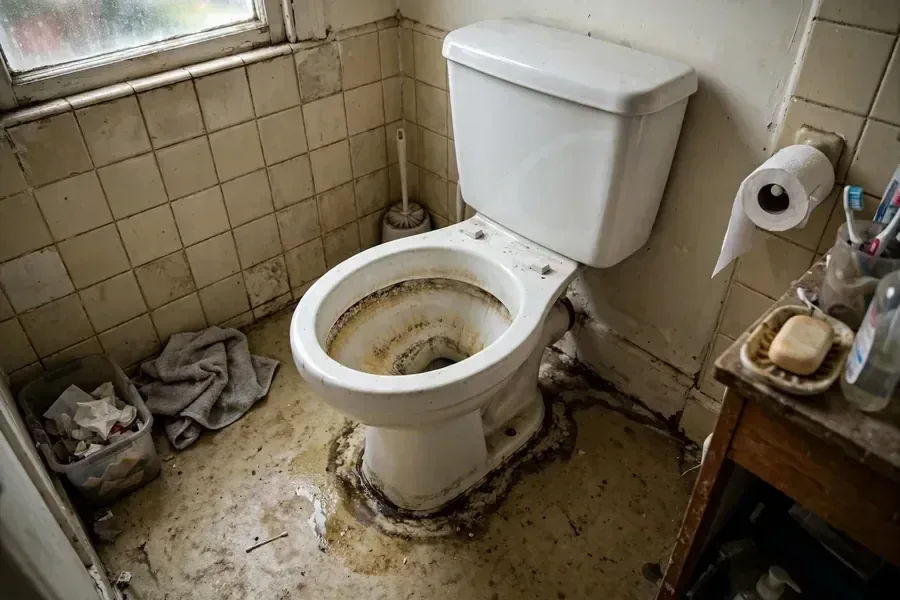
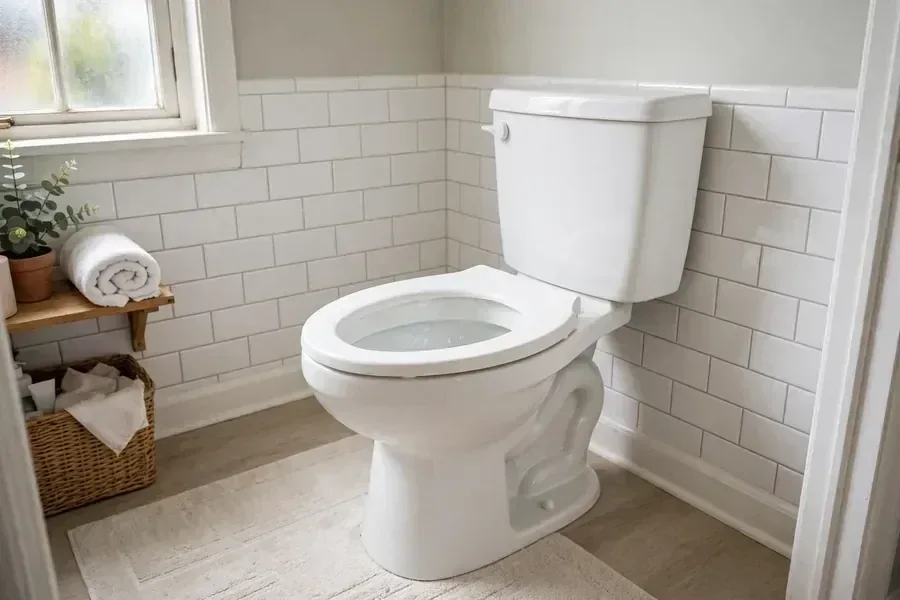
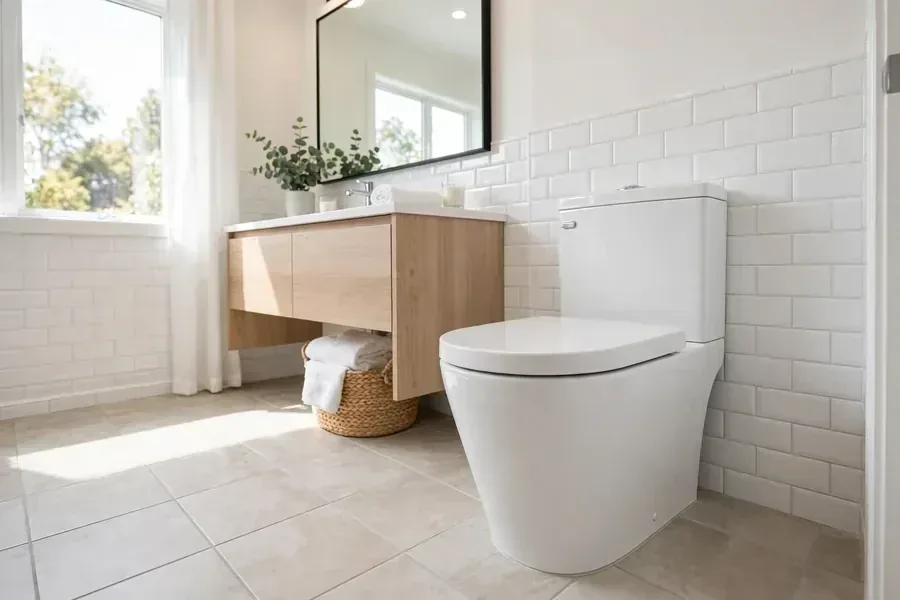
Illustrative examples of common toilet repair and replacement situations—not verified customer jobs.
Typical ranges shown for planning only. Actual scope, parts, access and provider pricing vary; confirm a written quote before work begins.
| Service | Typical range |
|---|---|
| Clogged toilet clearing | $99–$250 |
| Running toilet repair | $120–$280 |
| Toilet leak repair | $150–$350 |
| Wax ring replacement | $180–$400 |
| New toilet installation | $350–$800 |
These are unverified example estimates supplied for layout reference, not a provider quote. Replace with approved business pricing before launch.
Final pricing should be confirmed directly with the provider before work begins.
Get My Price — Call Now